- Post by Frits Buningh, Columbia, Maryland, United States. Contact info
Antarctica: Another COLD record is broken in June September 2026 !!
The South Pole’s Scott Amundsen Station, 4 Winter month from June – September had an all-time COLD of -62.73 C, beating out Cold records form the 60’s 70’s and 80’s. Last Month the Concordia Station also had it very COLD temperature for the Winter Month

2. From Luis G. Lopes Lamus https://www.linkedin.com/in/luis-g-lópez-lemus-47350434a/lipi=urn%3Ali%3Apage%3Ad_flagship3_detail_base%3Bdyro5HZYSeS%2FSPz9MAvseQ%3D%3D
Arctics in November 2026.
The polar vortex is collapsing: That’s not unusual, but experts say that the timing this year is “unprecedented” —here’s what to know:
*Important to note: The Arctic polar vortex, is collapsing at earliest ever recorded in Winter: A strong polar vortex keeps cold air locked in the Arctic, but a weakened Polar Vortex, allows cold air to escape into North America and Europe…. Similar as it was during the previous Grand Solar Minimum, Maunder Minimum described by Shindell et al, 2001

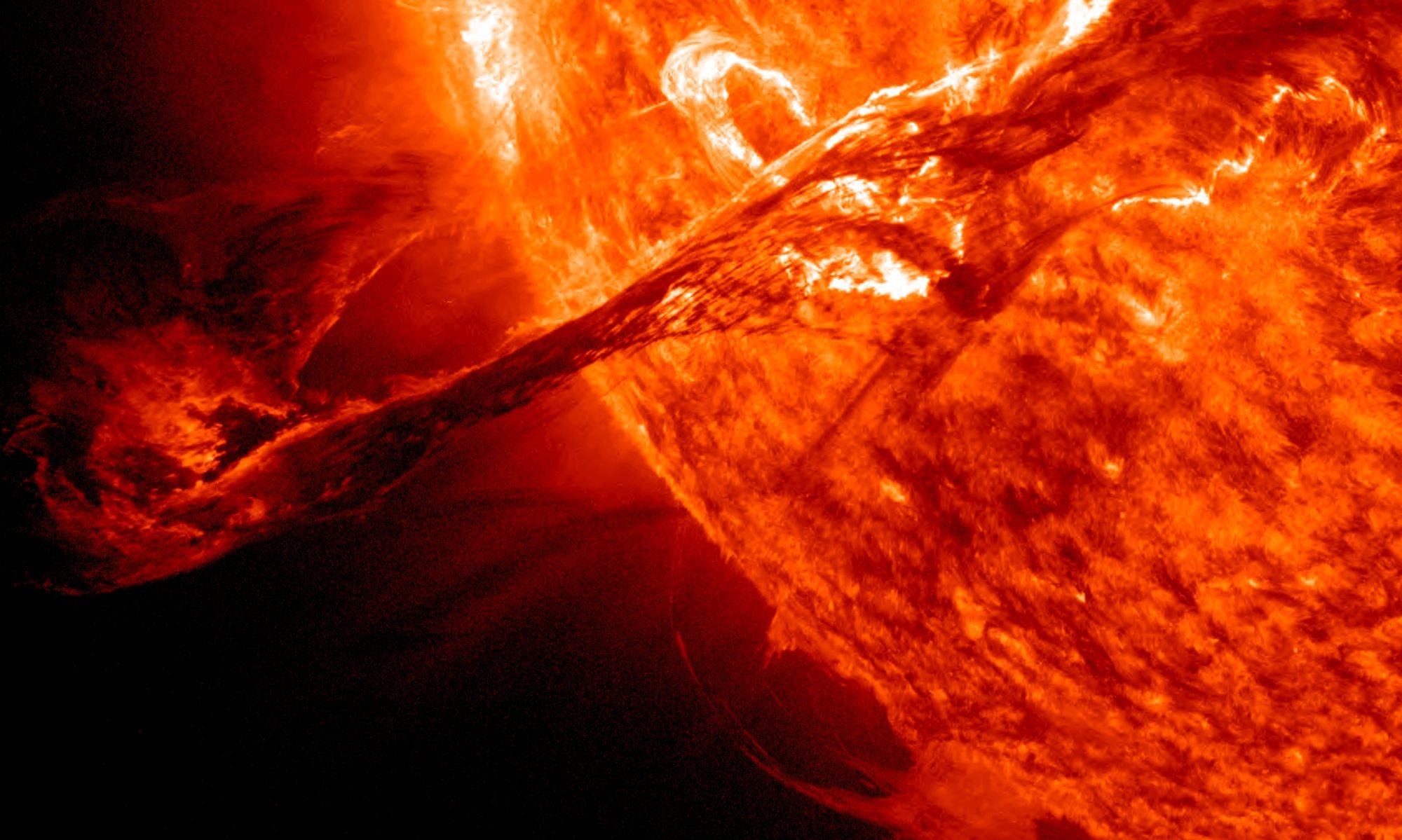
3. An impressive coronal hole is now facing Earth. Fast wind from the leading (rightmost/western) edge may reach us as soon as Nov 6! This is tomorrow night when doing the time zone conversion.
There is no EUV radiation coming outside from the area of the Sun covered by coronal hole as it is dark. This means Earth gets less solar emission but instead it receives accelerated particles. It means reduced heating of the Earth but possible chances of geomagnetic activity and particle effects on production of auroras while affecting electric lines and power stations.
Coronal holes take time to ramp up, so don’t worry about timing too much, just keep an eye on solar wind data for the telltale signs a coronal hole is here! You can learn what these are by reading my free e-book on aurora chasing: https://lnkd.in/g83wfsa6.
